GM 84388013 Cowl Plenum Panel
fits year: 2013–2018.
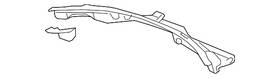
( Brand: Gm ), ( Manufacturer Part Number: 84388013 ), ( Part Type: Cowl Panel ), ( Genuine Oem: Yes ), ( Warranty: 1 Year ), ( Fitment Type: Direct Replacement ), ( Make: Cadillac ), ( Year: 2013 2014 2015 2016 2017 2018 ), ( Parts Included: Only Part Reference 9 On The Diagram Is Included ), ( Replaces Part Number: 22911438, 22964408, 84247298, 84261403 )
Review GM Genuine Cowl Plenum Panel fits 2013–2018
The GM 84388013 cowl plenum panel is an essential component of the engine cooling system in various General Motors vehicles. This panel is designed to provide a smooth airflow from the engine compartment to the radiator, ensuring efficient cooling.
Measuring approximately 22.5 inches long, 13.5 inches wide, and 3.5 inches high, this cowl plenum panel is engineered with precision and made from high-quality materials to ensure durability and longevity. The panel is constructed with a fiberglass reinforced thermoplastic material, which offers excellent resistance to heat, corrosion, and other environmental factors.
The cowl plenum panel features a smooth, flat design with a textured surface that promotes airflow and reduces turbulence. Its contoured shape fits snugly against the engine components and mates seamlessly with the radiator, ensuring a proper seal and effective cooling.
The GM 84388013 cowl plenum panel is easy to install and requires minimal tools for replacement. It includes all necessary mounting hardware, making the installation process straightforward for even the most novice of DIYers. Additionally, the panel comes with a factory-matched finish that blends seamlessly with the surrounding engine components.
Overall, the GM 84388013 cowl plenum panel is a critical component for maintaining the cooling system in your General Motors vehicle. Its durable construction, seamless design, and easy installation make it an essential upgrade for any vehicle owner looking to ensure their engine stays cool and runs efficiently.
The GM part number 84388013 refers to a cowl plenum panel, which is a component of a vehicle's intake system. This panel sits below the windshield and helps to distribute the air evenly to the engine. Replacing a cowl plenum panel may be necessary due to various reasons such as damage from road debris or as part of a routine engine tune-up. Here are some potential pros and cons of buying and installing a new GM cowl plenum panel:
Pros:1. Improved engine performance: A worn-out or damaged cowl plenum panel can affect the airflow to the engine, leading to decreased power and efficiency. Installing a new panel can help restore the engine's performance to its original specifications.
2. Better fuel economy: By improving the airflow to the engine, a new cowl plenum panel can help improve the fuel efficiency of the vehicle.
3. Reduced emissions: A more efficient engine means fewer emissions, making the vehicle more environmentally friendly.
4. Enhanced durability: A new cowl plenum panel is designed to last longer than a worn-out or damaged one, providing peace of mind and reducing the need for frequent repairs.
Cons:1. Cost: Replacing a cowl plenum panel can be an expense, especially if the vehicle is older or if the part is not readily available.
2. Installation time: Installing a new cowl plenum panel requires some mechanical knowledge and tools, which may take some time.
3. Potential for additional repairs: If the cowl plenum panel was damaged due to a larger issue, such as a cracked engine block, replacing the panel may only be a temporary solution.
In conclusion, replacing a worn-out or damaged cowl plenum panel with a new one can provide significant benefits in terms of engine performance, fuel economy, and reduced emissions. However, the cost and installation time may be a deterrent for some. It is important to consider the overall condition of the vehicle and the potential for additional repairs before making the decision to replace the panel.
If the vehicle is in good condition and the cowl plenum panel is the only issue, then replacing it can be a worthwhile investment. However, if there are other underlying issues, it may be more cost-effective to consider selling the vehicle or investing in more significant repairs. Ultimately, the decision depends on the individual's budget, mechanical skills, and priorities.
Details:
Electrical parts are not returnable. Shipping Carrier substitutions may be made at our determination in an attempt to reduce shipping cost the customer. Parts must be resalable and in the original packaging.
part #: 84388013 price
- $77.00
specifications accesvinta:
- for years: 2013-2018
- brand: Gm
- mpn: 84388013
- part type: Cowl Panel
- genuine oem: Yes
- warranty: 1 Year
- fitment type: Direct Replacement
- make: Cadillac
- year: 2013 2014 2015 2016 2017 2018
- parts included: Only Part Reference 9 On The Diagram Is Included
- replaces part number: 22911438, 22964408, 84247298, 84261403
shipping accesvinta:
- transit: 3-10 Days
- service: UPS Ground, UPS 2nd Day Air
- carrier: UPS
- class: Standard, Expedited
- cost: $40.52
- type: Fixed
general accesvinta:
- Car Truck Parts Accessories > Exterior Parts Accessories > Other Exterior Parts Accessories
- condition: New
returns accesvinta:
- policy: Returns Accepted
- time: 30 Days
- paid by: Buyer
payments accesvinta:
- other
- wallet: Apple-pay
- credit card: Discover
seller accesvinta:
- rating: 90.0%
- # reviews: 8
- city: Olathe, Kansas
offer accesvinta:
- started: June 11, 2025
- sold: 0
- options: Ship-to-home
- availability: In Stock
- quantity: 2
Gm 84388013 Is Similar To:
- 1050173 Gm Genuine Accessory Chrome (41.7% similar) Part continental us. Condition new container in good but has depression on the front and back shipping and packaging sales only. Not sure how good it is. This has 16 ounces in it. I accept pay-pal. Genuine Gm chrome cleaner and polish. This is from the 70S...(October 3rd, 2017)
- 1050214 Gm Genuine Accessory Vinyl (42.3% similar) Part this has 32 ounces in it continental us. I accept pay-pal. Shipping and packaging sales only. Genuine Gm vinyl cleaner. Condition new container in it is full not sure how good. This is from the 70S...(October 3rd, 2017)
- 19213384 General Motors Gm New Genuine Oem Splash Guard Set (33.3% similar) ...(October 8th, 2018)
- 20170258 General Motors Nos Gm Oldsmobile Lower Seat Panel Trim Power (32.1% similar) Great parts for a restoration close up shows wood grain on another similar part. Part group this is for the following - Oldsmobile delta Royal BROUGHAM1979 BN37-69 with 6 way AM6, custom seat YR11982 BN37 69 AM6 A65 C69 YR11984 D691985 B37 except AG1. This is a vintage oem USA Gm nos lower front ...(March 27th, 2018)
- 20170259 General Motors Nos Gm Oldsmobile Lower Seat Panel Trim Power (32.1% similar) 362 this is for the following - Oldsmobile delta Royal BROUGHAM1979 BN37-69 with 6 way AM6, custom seat YR11982 BN37 69 AM6 A65 C69 YR11984 D691985 B37 except AG1. Part group 11. Has wood grain sticker and is for a power seat. This is a vintage oem USA Gm nos lower front seat side trim panel. Rh ...(March 27th, 2018)
- 22530745 Gm Vintage Red Car Bumper Rare Part Panel Assembly (33.3% similar) I also want everyone to be pleased with what they buy. This bumper is nos, but it does have some scratches, there are no cracks. I do my best to point out anything major that could be wrong and take detailed pictures. If you know please let me so I can update the listing. I was unable to figure out ...(November 9th, 2018)
- 285243 Chevrolet Rare Nos Truck Accessory Roof Ventilator Genuine Gm (24.8% similar) Offered at offer a very rare and unique nice nos Chevrolet truck accessory roof top air intake ventilator. There is no damage of note, just has 80 years handling wear and the box somewhat crumbled but included. Also there is a postage meter stamp on the box exterior dated I can send more pix of ...(March 22nd, 2018)
- 362536 Nos Genuine Gm General (48.5% similar) Nos Gm corvette blower switch oem part new in the box...(December 26th, 2017)
- 363651 Gm Chevrolet Coupe Sedan Draft Deflecor Nos Genuine Pair In (29.1% similar) This is one of the rarest Chevrolet accessories that era. The pictures are an important part of so look them over carefully and ask any questions prior to buying. Everything included in the offer is pictured. This is a brand new original old stock pair of Chevrolet door draft deflectors for all ...(January 20th, 2019)
- 371098 Nova Concours Nos Gm Front Bumper Filler Panel Chrome (30.9% similar) Nos Gm part in very good condition,although is production line chrome plating's not triple plated show. So I'm calling it in nice driver condition. Has some light shelf wear scratches,and tiny rust spot son front leading edge see picture where it wont show,possibly in another area. Didn't come in a ...(August 26th, 2018)
- 3772740 Gm Genuine Parts 1959 (39.4% similar) Yes- they are new old stock nos. I'm sure it can be removed but I Ian't gonna touch. There are two noticeable flaws: one cap has a tiny ding to the inside see photo. The caps have never been mounted on a wheel. Three still have the original protective paper in inside. Look at the close up photos to ...(June 6th, 2017)