NE NORTH EAST ELECTRIC 3756C Volt Horn Brothers Reo Graham Northeast Bus
fits make: Dodge. year: 1920–1926.
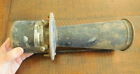
( Brand: Ne North East Electric ), ( Manufacturer Part Number: 3756C ), ( Type: Horn Northeast Electric 1921 1922 1923 1924 1925 ), ( Country/region Of Manufacture: United States )
Review NE NORTH EAST ELECTRIC Volt Horn Dodge Brothers Reo Graham Bus Northeast fits 1920–1926
Introducing the 1920-1926 North 3756C Volt Horn, a vintage automotive treasure that harkens back to the golden era of transportation. This exquisite horn, originally designed for use on Dodge Brothers, REO, and Graham-Paige vehicles, as well as Graham Bus and Northeast NE Electric models, is a testament to the craftsmanship and innovation of the early 20th century.
The North 3756C Volt Horn is a dual-action, 6-volt horn, boasting a powerful, clear, and distinctive tone that is sure to turn heads on the road. The horn is constructed from high-quality brass, with a polished finish that gleams in the sunlight. The horn button is equipped with a comfortable, ergonomic grip, ensuring a secure and effortless operation.
This vintage horn is not just a functional safety feature, but also a stylish and decorative accent for any classic vehicle. Its historical significance and timeless design make it a cherished addition to any automobile collection. The North 3756C Volt Horn is a perfect choice for enthusiasts who appreciate the charm and character of bygone eras, and who seek to preserve and celebrate the rich history of automotive design.
Installation of the North 3756C Volt Horn is straightforward and can be accomplished with minimal effort. The horn is compatible with standard wiring configurations, and comes with clear instructions for easy installation. With careful handling and proper maintenance, this vintage horn can provide many years of reliable service, ensuring the safety and enjoyment of classic car enthusiasts for generations to come.
In conclusion, the 1920-1926 North 3756C Volt Horn is more than just a horn; it is a symbol of a bygone era, a testament to the ingenuity of the past, and a tribute to the timeless appeal of classic automobiles. Whether you are restoring a vintage vehicle or simply seeking to add a unique touch to your collection, the North 3756C Volt Horn is an investment in history and a statement of your passion for all things automotive.
Pros of buying a 1920-1926 North 3756C volt horn for Dodge Brothers, REO, Graham, or Northeast NE electric vehicles:1. Historical Significance: This horn is a piece of automotive history, representing the early days of vehicle electrification and the evolution of automotive technology.
2. Collectible Value: Due to its rarity and historical significance, this horn could potentially increase in value over time.
3. Functional: The horn is still functional, allowing you to add a unique and historical touch to your vintage vehicle.
4. Authenticity: This horn is an original part from the era, adding to the authenticity of your vintage vehicle.
Cons of buying a 1920-1926 North 3756C volt horn for Dodge Brothers, REO, Graham, or Northeast NE electric vehicles:1. Availability: Due to its age and rarity, finding a horn in good condition may be challenging.
2. Compatibility: The horn may not be compatible with modern vehicles or require additional modifications to work effectively.
3. Cost: These horns can be expensive, especially if they are in good condition and have been well-maintained.
4. Maintenance: Older parts like this horn may require more frequent maintenance and repair compared to newer parts.
Conclusion:If you are a collector or enthusiast of vintage vehicles, the 1920-1926 North 3756C volt horn can be a valuable addition to your collection. It adds historical significance, collectible value, and a unique touch to your vintage vehicle. However, the high cost, compatibility issues, and potential for frequent maintenance should be considered before making a purchase.
Recommendation:If you are serious about purchasing this horn, I would recommend thoroughly researching its condition, compatibility, and cost before making a decision. Consider purchasing from a reputable dealer or seller to ensure the horn's authenticity and quality. Additionally, consider whether the horn's historical significance and collectible value outweigh the potential costs and maintenance requirements.
Details:
I try and describe accurately.
part #: 3756c price
- $7.94
specifications accesvinta:
- for makes: Dodge
- for years: 1920-1926
- brand: Ne North East Electric
- mpn: 3756c
- type: Horn Northeast Electric 1921 1922 1923 1924 1925
- country/region of manufacture: United States
Seller accesvinta:
- city: Denver, Colorado
- zipcode: 80228
General accesvinta:
- auto parts > vintage car accessories
- in stock: Yes
- condition: For parts or not working
Payments accesvinta:
- PayPal
Offer accesvinta:
- best offer: false
- Started: April 27, 2018, 6:46 am
- quantity: 1
- bids: 0
- Sold: 0
Shipping accesvinta:
- handling: 1 days
- type: Calculated
Returns accesvinta:
- type: Money Back
- policy: returns accepted
- paid by: Buyer
- time: 30 Days
Ratings:
- all good 04-26-18
- This seller was the fastest shipper by far! Good sale, described exactly. Thanks 04-23-18
- Great Customer! Fast Payment!! Hope to deal with again!! 04-23-18
- Item as described 04-24-18
- tku 04-20-18