GM 1603620 Nos Retainer General
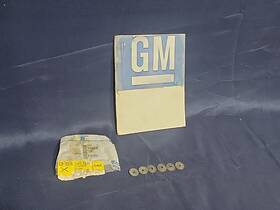
( Brand: Gm ), ( Manufacturer Part Number: 1603620 ), ( Part Type: Motor ), ( Fitment Type: Direct Replacement ), ( Genuine Oem: Yes ), ( Vintage Part: No )
Review GM General Motors Nos Retainer Qty
GM 1603620 No.s Retainer - Robust and Durable Design for Automotive Applications
Description:The GM 1603620 No.s Retainer is an essential component in various automotive applications. This retainer, manufactured by General Motors, is designed to provide reliable and secure retention of critical engine components.
The retainer features a robust and durable design, engineered to withstand the extreme conditions of an automotive engine. It is made from high-quality materials that ensure strength, rigidity, and resistance to wear and tear. The retainer's precise dimensions and tolerances ensure a perfect fit and proper function in the engine system.
The retainer's design includes multiple attachment points that allow for secure mounting of various engine components. It is engineered to distribute forces evenly across the mounting points, reducing stress on individual components and improving overall system performance.
The GM 1603620 No.s Retainer is designed to meet or exceed OEM specifications for durability, strength, and fitment. It is backed by a warranty that guarantees its quality and reliability.
Installing the GM 1603620 No.s Retainer is a straightforward process, requiring standard tools and techniques. The retainer is designed to be easily accessible and replaceable, allowing for routine maintenance and repairs.
In summary, the GM 1603620 No.s Retainer is an essential component in various automotive applications. Its robust and durable design, precision engineering, and secure mounting capabilities make it a reliable and effective solution for maintaining the performance and reliability of an automotive engine.
Pros and Cons of Buying a GM Retainer with Part Number 1603620
The GM Retainer with part number 1603620 is a critical component in various General Motors vehicles. This component is essential for maintaining the proper functioning of specific systems. Let's weigh the pros and cons of purchasing this retainer to help you make an informed decision.
Pros:1. Enhanced reliability: Replacing a worn-out or damaged retainer with a new one can help ensure the longevity and reliability of the associated systems. A faulty retainer can lead to various complications, including reduced performance, increased emissions, and even safety concerns.
2. Improved safety: In some cases, a faulty retainer can compromise the structural integrity of a vehicle, potentially leading to safety issues. By replacing the retainer, you can minimize these risks, ensuring the safety of yourself and your passengers.
3. Better fuel efficiency: A malfunctioning retainer can negatively impact the fuel efficiency of your vehicle. By replacing the faulty component, you may notice improved fuel economy, potentially saving you money on gas over time.
4. Smoother operation: A worn-out retainer can cause various components to operate less smoothly, leading to unwanted noise, vibrations, or roughness. Replacing the retainer can help restore the original operation of the affected systems, resulting in a more enjoyable driving experience.
Cons:1. Cost: Replacing a retainer can be a significant expense, especially for older vehicles or those with multiple failing components. The cost of the retainer itself may not be the only expense, as labor costs and other related parts may also add to the overall price.
2. Time commitment: Depending on the complexity of the repair and the availability of the required parts, replacing a retainer can take a considerable amount of time. This may result in your vehicle being out of commission for an extended period, which can be inconvenient for some.
Conclusion:The decision to purchase a GM Retainer with part number 1603620 depends on various factors, including the condition of your vehicle, your budget, and your personal priorities. While the cost and time commitment may be significant, the potential benefits, such as improved reliability, safety, fuel efficiency, and smoother operation, can make the investment worthwhile. Ultimately, a well-maintained vehicle is not only essential for your daily lifestyle but also for your long-term savings and peace of mind. Therefore, if you suspect that your vehicle requires a new retainer, it is recommended to consult a qualified mechanic for an accurate assessment and to discuss the potential costs and benefits of the repair.
Details:
part #: 1603620 prices
- $7.99-$34.95
specifications accesvinta:
- brand: Gm
- mpn: 1603620
- part type: Motor
- fitment type: Direct Replacement
- genuine oem: Yes
- vintage part: No
shipping accesvinta:
- type: Calculated
- transit: 5-10 Days
- service: USPS Ground Advantage
- cost: $0.00
- class: Standard
- carrier: USPS
offer accesvinta:
- sold: 0
- quantity: 1
- started: February 15, 2026
- options: Ship-to-home
- availability: In Stock
general accesvinta:
- condition: New
- Car Truck Parts Accessories > Exterior Parts Accessories > Other Exterior Parts Accessories
returns accesvinta:
- paid by: Seller
- policy: Returns Accepted
- time: 30 Days
seller accesvinta:
- # reviews: 4584
- city: Wellston, Ohio
- rating: 99.7%
payments accesvinta:
- wallet: Paypal
- credit card: Diners-club
- other
Gm 1603620 Is Similar To:
- 985101 General Motors Chevrolet Division Accessory Clock Face Glass Bezel Gm (33.1% similar) Here is a 1937 Chevrolet accessory electric glove box clock face glass and bezel only for your consideration color: brown w white numbers, chrome...(March 24th, 2019)
- 994951 Gm Nos Chevrolet Vanity Mirror (29.3% similar) Note may not come with original packaging. One nos vanity mirror with light. Ships to lower 48 states only...(August 27th, 2018)
- 00000 Gm Nos Camaro Chevelle Ss Chevrolet Conv Inside Window Crank (26.8% similar) Nos 1968 Camry Chevalier SS and Chevrolet convertible sport coupe inside chrome window crank handle. Nos but has a small amount of pitting view pictures most the original box free shipping...(August 30th, 2018)
- 10014885 Gm Chevy Monte Carlo Rear Defroster Relay Nos (28.6% similar) Chevrolet Monte Carlo rear heated back glass defogger relay may also fit suburban and Buick grand national nos...(March 25th, 2018)
- 100487777 14091452 Gm Nos Fender Lh Rh Chevy Monte Carlo Ls Oem (29.9% similar) ...(October 23rd, 2018)
- 10243313 Chevrolet Nos Big Block Aluminum Valve Covers Gm (27.7% similar) ...(July 6th, 2019)
- 1050011 Gm Nos 1970s-1980s General (17.9% similar) ...(October 25th, 2017)
- 1131441 Skyhawk Grand Am Cimarron Calais Nos Gm Delco Compressor (27.8% similar) As shown in my photo. No longer is Delco box but new and hasn't been mounted. Gm part or Delco fits sky hawk Cadillac Cameron and Calais ,grand am, cavalier. New nos Gm DA6 compressor not a rebuilt or remanufactured...(June 3rd, 2018)
- 1131474 Buick Century Olds Cutlass Ciera Nos Gm Delco Compressor (27.8% similar) As shown in my photo. No longer is Delco box but new and hasn't been mounted. New nos Gm DA6 compressor not a rebuilt or remanufactured...(June 3rd, 2018)
- 1235524 1237363 Gm General Motors (36.4% similar) 2 if you do not see a best offer option or an item that is on sale, then the only available at price listed. Part no made for exhaust, see pictures and number before purchase...(December 31st, 2017)
- 12397249 General Motors Oem Gm New Nos Molding Clips Buick Regal (44.4% similar) ...(December 11th, 2018)