MOPAR 1450-107 Nos Curb Signals Box 1950S 1940S
fits make: Mopar.
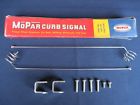
( Manufacturer Part Number: 1450-107 ), ( Part Type: Signal Box ), ( Country/region Of Manufacture: United States )
Review MOPAR 1950s Nos 1940s Accessory Curb Signals Original Box Part 1450 107
The 1950s/1940s Mopar Curb Signals Box with the part number 1450 107 is a vintage automotive accessory that is a must-have for classic car enthusiasts and restoration enthusiasts. This curb signals box is a piece of automotive history, hailing from the golden era of Mopar, a name synonymous with classic American vehicles.
The box is made of high-quality materials, designed to withstand the rigors of daily use and the test of time. It features a sleek, retro design that perfectly complements the aesthetics of older Mopar models. The box is mounted on the exterior of the vehicle, typically on the front fender, and is used to signal to other drivers when the car is about to pull up to the curb.
The 1940s/1950s Mopar Curb Signals Box 1450 107 is a functional piece of automotive history. It's not just a decorative accessory, but a working component that adds a touch of originality and authenticity to your classic Mopar. The box operates using simple, mechanical signals, adding a sense of nostalgia and charm to your driving experience.
This curb signals box is a rare find, as original parts for classic cars are becoming increasingly hard to come by. By installing this box on your 1950s or 1940s Mopar, you're not only enhancing the appearance of your vehicle, but you're also preserving a piece of automotive heritage.
In conclusion, the 1950s/1940s Mopar Curb Signals Box 1450 107 is a unique and detailed product that is perfect for classic car enthusiasts. It's a functional, authentic, and charming addition to any vintage Mopar, adding a touch of nostalgia and originality to your driving experience.
Pros of buying a 1950s/1940s Mopar curb signals box (1450 107):1. Authenticity: This vintage part can add a unique and authentic touch to classic Mopar vehicles.
2. Rarity: As these curb signals are not commonly produced or found today, they can be a rare and valuable addition to any collection.
3. Functionality: If the signals are in good working condition, they can provide a functional and practical addition to your vehicle.
4. Historical value: These signals have been in use for over 70 years, and owning one can be a way to connect with the history of automobiles.
Cons of buying a 1950s/1940s Mopar curb signals box (1450 107):1. Availability: Due to their rarity, these signals may be hard to find, and when they are available, they can be expensive.
2. Compatibility: Older parts may not fit perfectly with newer vehicles, and there may be some adjustments or modifications required to make them work.
3. Condition: These signals have been in use for over 70 years, and they may have some wear and tear. It's important to inspect them carefully to ensure they're in good working condition.
4. Cost: Restoring or repairing these signals can be expensive, especially if they need to be restored to their original condition.
Conclusion:Buying a 1950s/1940s Mopar curb signals box (1450 107) can be a rewarding experience for classic car enthusiasts, as it allows them to add a unique and authentic touch to their vehicle. However, it's important to consider the costs and potential compatibility issues before making a purchase. If you are willing to invest the time and money to find a good condition box and potentially restore it, then it can be a worthwhile addition to your collection.
Recommendation:If you're interested in buying a 1950s/1940s Mopar curb signals box (1450 107), it's recommended to research the availability and pricing in your area, as well as inspect the condition of the signals before making a purchase. Additionally, it's a good idea to have a professional mechanic help you install the signals to ensure they are working properly and safely.
Details:
1954 Chrysler Plymouth dodge deist. You might want them on both sides if park the left side of those one way streets in your town. These are very rare and hard to find. Protect those wide whitewalls.
New old stock 1940s 1950s genuine Mopar accessory curb signals in the original box with mounting hardware, part I also have another pair if anyone is interested. Pages from my 1953 Mopar accessories books are not included, just here for reference.
part #: 1450107 prices
- $50.00-$160.00
specifications accesvinta:
- for makes: Mopar
- mpn: 1450-107
- part type: Signal Box
- country/region of manufacture: United States
Seller accesvinta:
- zipcode: 45238
- city: Cincinnati, Ohio
Payments accesvinta:
- PayPal
Returns accesvinta:
- policy: no returns
Offer accesvinta:
- quantity: 1
- Started: July 29, 2018, 6:51 am
- bids: 0
- Sold: 0
- best offer: true
Shipping accesvinta:
- handling: 2 days
- type: Calculated
General accesvinta:
- condition: New
- auto parts > vintage car accessories
- in stock: Yes
Ratings:
- ExcellentVery easy to deal with! Thanks! 07-13-18
- thank you much 07-20-18
- -:-: Smooth Transaction: .-:- Great -:-: Thank You! -:- 07-18-18
- A Highly recommend 07-10-18
- Great Seller A 07-21-18
Mopar 1450-107 Is Similar To:
- 1065780 48-47-48 Vintage Nos Mopar (18.8% similar) If I have it as buy now,i will not refuse reasonable offers, is offer style, there never a reserve. I have a money back warranty with all my stuff so don't be afraid to bid. In good usable condition, needs cleaned up and polished...(February 24th, 2018)
- 1113099 Autolite Hrl4101 Mopar Nos (31.3% similar) Where shiny, old mopar stuff is served up rare almost daily. The old plum cafe. Have any questions. Anything special that you're looking for. Just let us know, it might be on the shelf...(November 13th, 2017)
- 1123152 1941-1946-1948-1949-1951-1953-1954 Mopar Nos Plymouth Dodge Oil Filter Cannister Flathead (28.9% similar) Found it - at the old plum cafe. Have any questions or need anything else. Many other old mopar items available where new, stuff is served up rare daily...(February 8th, 2019)
- 1136282 Nos 1947-1946-1951-1952-1953-1955 Mopar 1948-1954 (18.5% similar) Where old mopar stuff is served up rare daily. Have any questions or need anything else. 5 length , with brass fittings - for all '46 thru ' Cl...(January 10th, 2018)
- 1148861 Mopar Nos Plymouth Parking Glass Lamp Lens Box Hot Rat (41.9% similar) Home thyme offers antiques, advertising, furniture vintage and antique, primitives, signs, farm fresh, eclectics, junk, stuff, collectibles. You are viewing an original mid-late 1940S mopar new old stock parking light lens clear, glass, with Boas found in estate, box does have storage wear, great ...(April 6th, 2018)
- 1149367 1149368 Mopar Nos Dodge Glass Tail Light Lens (41.7% similar) Perfect to save in case your glass gets broken. Dodge sedan 4 door, town sedan, 2/7 passenger, limo. Pair of glass tail light lens, nos in boxes are fair very clean and ready to install...(January 26th, 2019)
- 1154325 Mopar Nos Plymouth Tail Glass Lamp Lens Box Hot Rat (41.3% similar) Home thyme offers antiques, advertising, furniture vintage and antique, primitives, signs, farm fresh, eclectics, junk, stuff, collectibles. You are viewing an original late 1940S mopar new old stock tail light lens red, glass, with Boas found in estate, box does have storage wear, great for restore...(April 6th, 2018)
- 1156653 1156654 R-l Mopar Nos (30.8% similar) Anything special that you're looking for. Just let us know, it might be on the shelf. The old plum cafe. Have any questions. Where shiny, old mopar stuff is served up rare almost daily...(December 19th, 2017)
- 1232606 Mopar Nos Rare Accessory Under Hood Light (50.5% similar) You are looking at a new old stock in the box mopar dodge Chrysler Plymouth deist accessory under hood light. Make sure to ask all questions prior purchasing. These are getting harder to find in any condition. The light has a few surface rust spots from sitting for last 70 years. Please know what ...(October 20th, 2018)
- 1235 Nos 1940-1942 Mopar 1941-1948 (25% similar) Have any questions or need anything else antenna base hardware heres a new cowl mounting these pieces fit onto the front to mount of 3 for all model's. Get set save your old project ready install now them future restoration use. These look great really made my car fresh. At the old plum cafe...(February 3rd, 2018)
- 1241 060 Mopar Nos Dodge Power Wagon Washer Bottle Lid (43.1% similar) Nos original mopar washer bottle lid part 060IN very good condition, minor damage from shelf life shown to fit dodge may also others nice replacement parts or accessories. Nos or new old stock does not mean the part is mint perfect. Get our free. Shipping times will vary depending on country. ...(November 9th, 2018)